
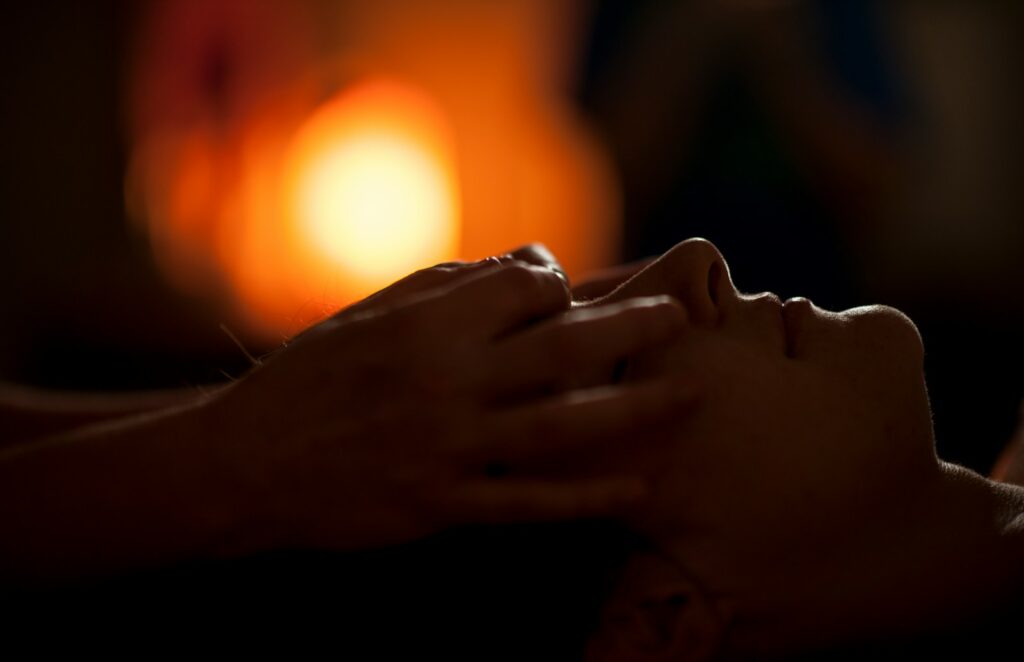
Even the best mattresses fail when the mind won’t power down, yet a simple pre-bed massage routine is helping many sleepers reclaim the dreamless, body-repairing stage scientists call deep sleep. The method takes ten minutes, requires only warmed lotion and your hands, and has shown eye-opening results in small tracker-based studies.
Deep sleep—also labelled slow-wave sleep—arrives in the first half of the night and behaves like an overnight construction crew, patching micro-tears in tissue, releasing growth hormone, and filing memories into long-term storage. Screens, late caffeine, and everyday stress shorten that phase until the body wakes feeling jet-lagged even after eight clock hours. Because deep sleep hinges on dropping heart rate and core temperature, researchers have hunted for ways to nudge the nervous system into calm without medication, and gentle massage is emerging as a front-runner.
“Deep sleep starts when the nervous system agrees to slow the heartbeat and cool the core.”
Massage works by pressing on mechanoreceptors—tiny sensors under the skin that send safety signals up the vagus nerve to the brainstem. Once the brain accepts no threats lurk nearby, it lowers cortisol, releases melatonin, and shifts the entire body into parasympathetic mode. The most effective bedtime sequence targets three tension hubs: the soles of the feet, the back of the neck, and the centre of the chest. Slow circular strokes on the arches loosen fascia loaded with day-long standing stress; gentle kneading at the neck’s base unglues muscles that keep the head upright over screens; light fingertip sweeps across the sternum widen the rib cage for deeper breaths that ferry the last worries out on the exhale.
Numbers back the feeling. In 2021, physiologists at a Swiss sleep lab recruited twenty adults who averaged only forty minutes of deep sleep per night according to their wrist trackers. After learning the massage sequence and practising it nightly for a week, participants recorded an average of seventy-six minutes of deep sleep—a 90-per cent jump—while total time in bed stayed the same. Heart-rate variability, a marker of nervous-system flexibility, also rose by 18 per cent, suggesting the body became better at toggling between action and rest. Though the small sample lacked a placebo group, the gains rival prescription sleep aids without the morning fog.
“Early studies show that ten minutes of touch may outshine pills for lengthening deep sleep.”
The ritual begins with a brief warm shower to raise skin temperature, making muscles more pliable and setting up a gentle thermal drop when you crawl under cool sheets. After towelling off, rub a teaspoon of unscented lotion or lightly warmed coconut oil between the palms. Start with the feet, gliding thumbs from heel to toe for one full minute per foot. Move to the neck, clasping hands behind the head and squeezing downward as if wringing out a sponge, repeating five slow breaths. Finish at the chest, placing the right palm over the sternum and sweeping outward to each shoulder, switching hands after ten passes. Keep lights dim, inhale through the nose for four counts, release for six, and avoid scrolling; blue light reverses the hormonal cascade the massage sets in motion.
Safety remains straightforward: skip heavy pressure over recent injuries, varicose veins, or late-pregnancy bellies, and consult a doctor if chronic pain or sleep disorders already require medical care. For most adults and even teens buried in school stress, the technique feels as harmless as it is soothing. The actual test comes the next morning when fitness trackers log deeper sleep cycles—or when the mirror reveals rested eyes without digital confirmation. Regular use also trains muscle memory; eventually, the first foot stroke alone may cue the brain to dim its lights, much like a favourite lullaby did in childhood.
“The body learns rituals quickly, turning repeated massages into an automatic bedtime off-switch.”
Anyone tired of waking tired can experiment tonight: set a ten-minute timer, silence the phone, warm a dab of lotion, and let slow, deliberate touch replace the day’s static with silence. If the tracker graph shows more blue slow-wave bars tomorrow—or if energy levels rise—consider the routine a keeper and share it with partners, kids, or roommates trapped in the same restless loop. A childlike night’s sleep is not a myth; it is a habit, and it may start with nothing more high-tech than human hands and a willingness to slow down.
I like your blog.
Great info.
Nice blog.
Awesome blog.